

One of the key decisions in any retirement planning journey is determining where to live. Ideally, you’ll want a place that suits the lifestyle you want, but one that’s also affordable.
The solution for a growing number of retirees is to pull up stakes. Last year, more than 338,000 Americans moved in retirement, a 44% increase from the year before, according to Hire A Helper, an online marketplace for moving services. Tax-friendly Florida was the top destination.
Is a move right for you, and if so, where?
Factors to Consider When Choosing a Retirement Destination
When you’re no longer tied down to a place because of a job, the whole country is open to you. That’s a lot of territory, but you can narrow your choices by prioritizing what features are important to you. Are you a beach person or do you feel more at home in the mountains? Would you prefer the relaxed pace of a small town or the hustle and bustle of a city?
There are also some practical considerations: Does your destination have high-quality healthcare? How far is the nearest hospital? What is the crime rate? If you’ll be traveling a lot, especially overseas, how far is the nearest international airport?
The cost of living is also a key factor for retirees on fixed incomes. State taxes become more important as retirees draw down from accounts that have been growing tax-deferred for decades. Some states tax all or some retirement income, but others don’t tax retirement income at all.
To help get you started on your search, here are 23 destinations with factors important to retirees: attractive lifestyle, safety, quality healthcare and a cost of living below the national average.
Retiring by the Coast: Best Seaside Spots for Educators
Many retirees yearn for warmer weather, a slower pace and being near the water. But demand for such spots is high, leading to an increased cost of living in many of those locales. But these retirement spots offer the amenities of coastal towns without the high costs.
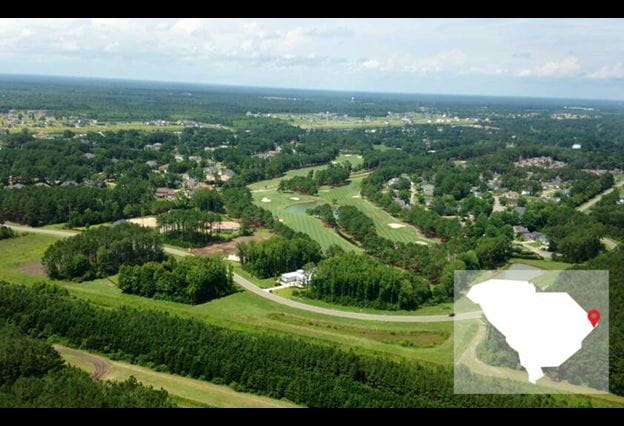
Myrtle Beach, South Carolina
With 60 miles of beach and about 100 championship golf courses in the area, Myrtle Beach is a classic retirement spot. When you’re done soaking up the sun, you can visit Broadway on the Beach, a 350-acre entertainment complex with boutiques, restaurants, bars, live music and more.
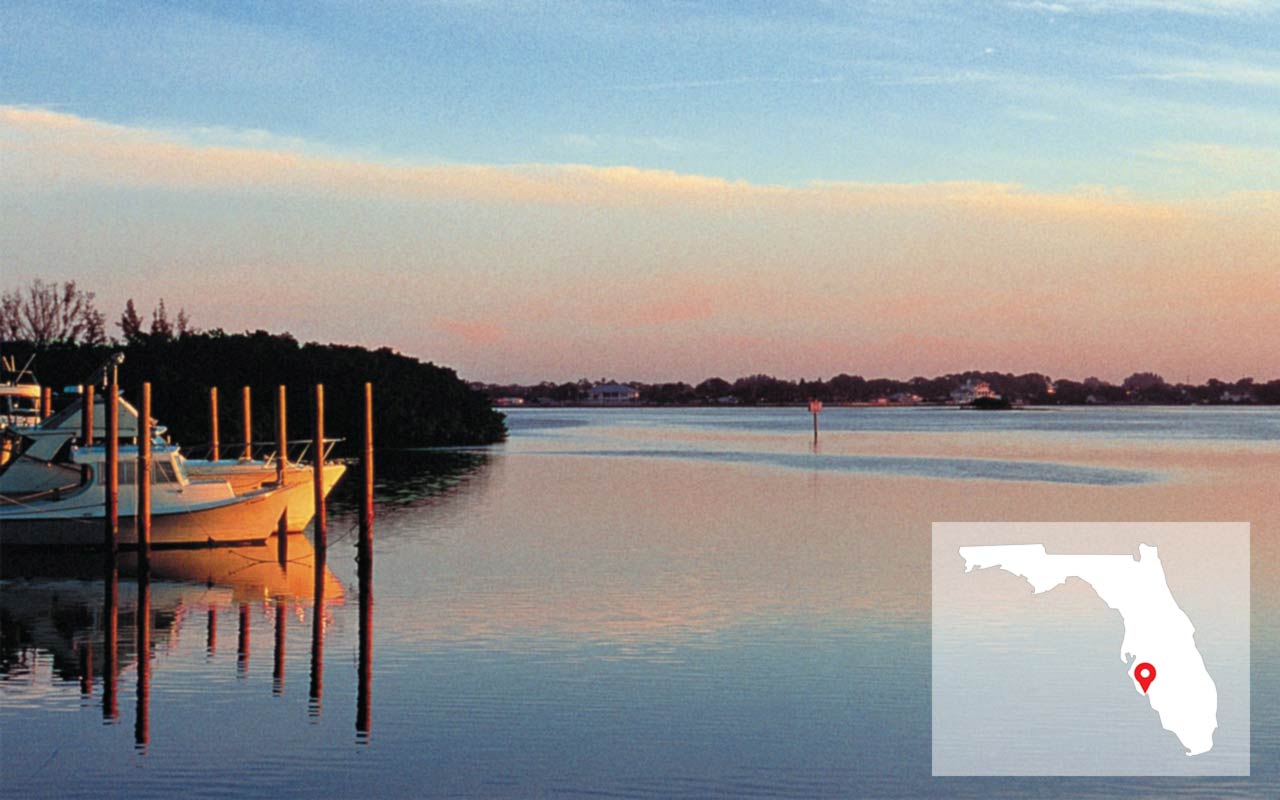
Punta Gorda, Florida
Punta Gorda, a town on the southwest Gulf Coast, particularly appeals to those 65 and older— a demographic that makes up nearly half the town’s population. It has 18 miles of bike trails and pedestrian pathways and numerous retirement communities restricted to those 55 and older.
Explore affordable retirement destinations and make the most of your journey with exclusive savings from the NEA Travel Program, available only to NEA members. Start planning your next chapter today!
Mountain Getaways: Tranquil Retirement in the High Country
For many, a view of the mountains, fresh air and plenty of outdoor activities make retiring to a town with a higher altitude appealing.
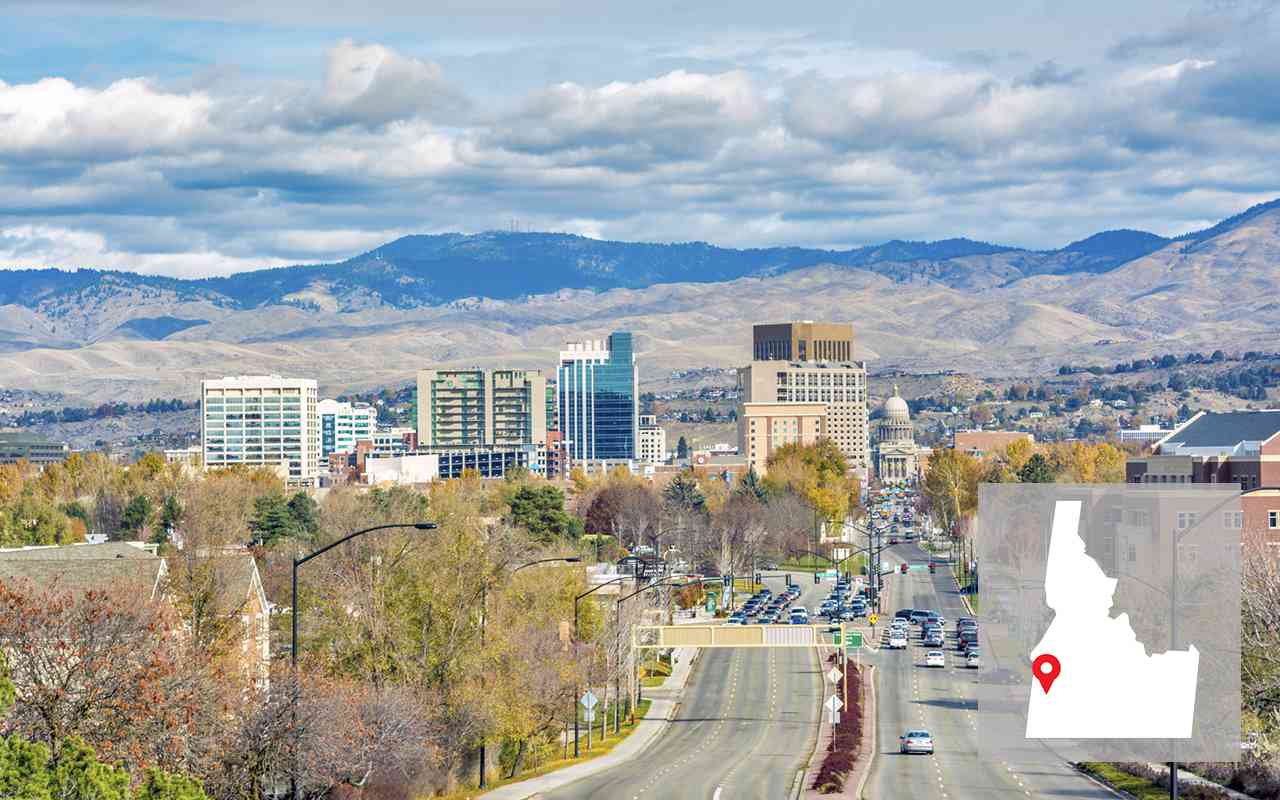
Boise, Idaho
The capital of Idaho is nestled among foothills and mountains, with the Boise River winding through the city. This makes Boise an ideal retirement spot for those who enjoy outdoor activities, such as hiking, skiing, fly fishing and kayaking. The city is also home to Boise State University, which has cultural and educational offerings.
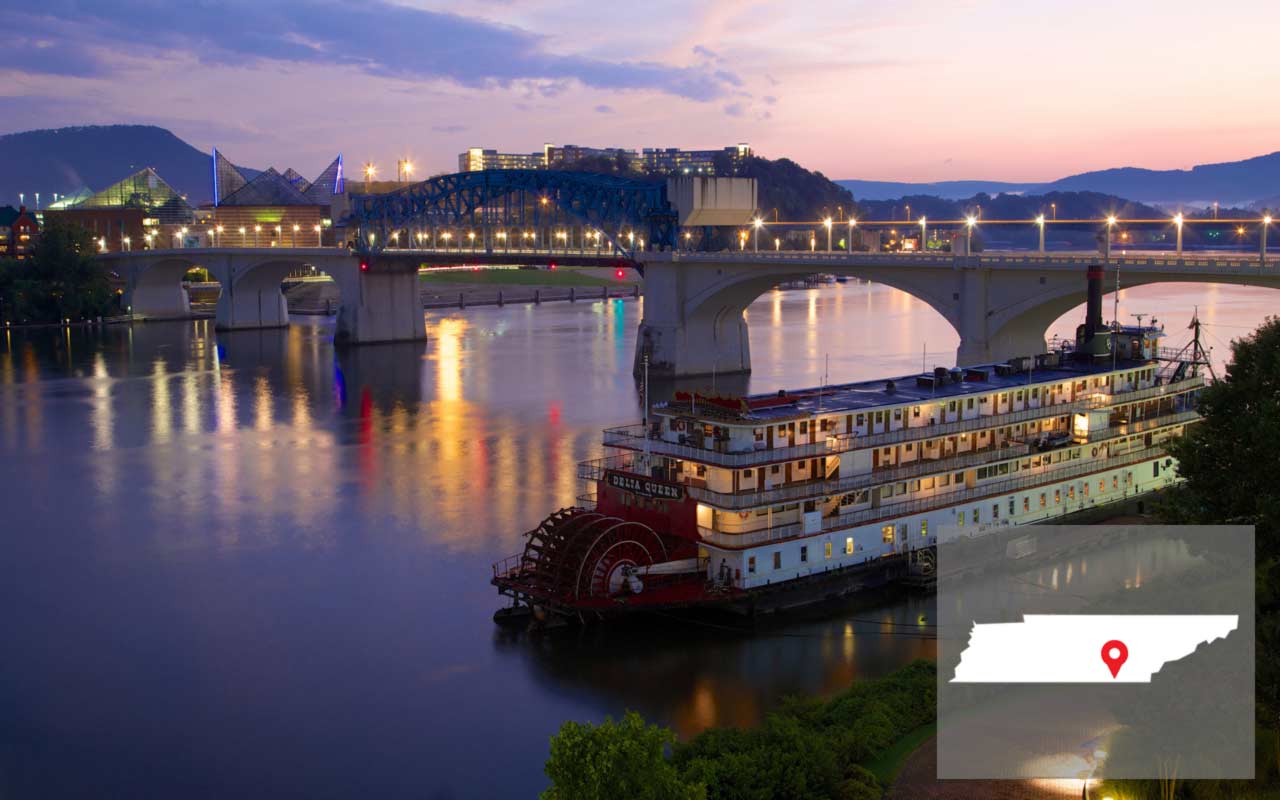
Chattanooga, Tennessee
Located in the foothills of the Appalachian Mountains, this city has a vibrant arts scene, with many galleries scattered through the Bluff View Art District and the trendy NorthShore and Southside districts. The city also hosts music festivals year-round. For outdoor recreation, take a bike ride or stroll along the Tennessee River, which flows through the city. For more of a challenge, try rock climbing, mountain biking, whitewater rafting or hang gliding.
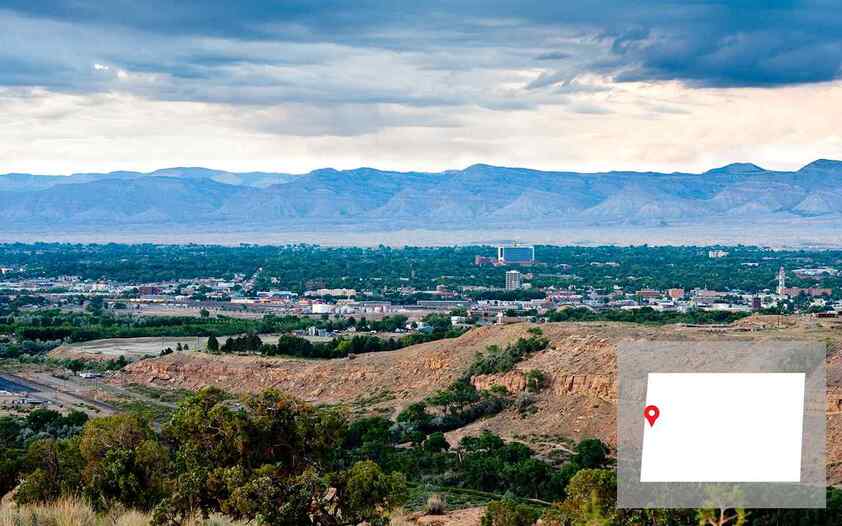
Grand Junction, Colorado
Grand Junction sits alongside the Colorado River in the western part of the state. It’s suited for those who like being active outdoors year-round. There’s scenic hiking, biking and whitewater rafting in warmer months and skiing and snowshoeing in colder months.
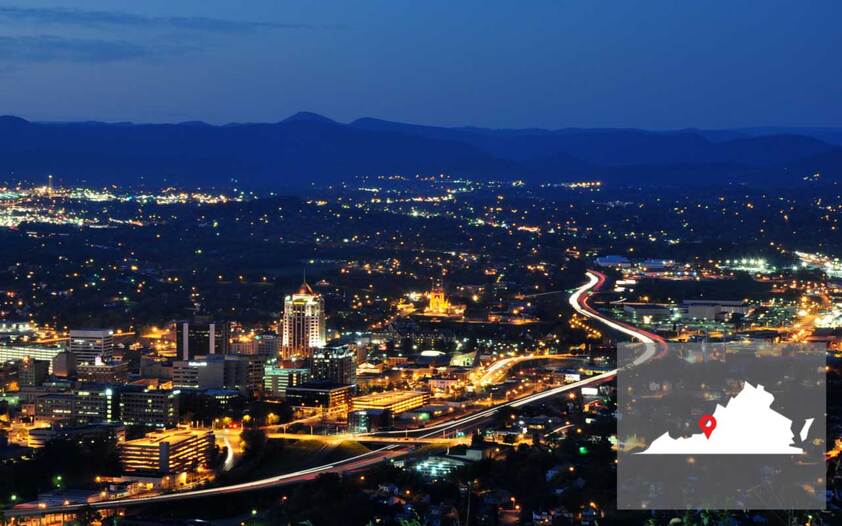
Roanoke, Virginia
This city, which is nestled between the Blue Ridge and Allegheny Mountains, is a hiker’s paradise with more than 700 miles of nearby trails. Roanoke also offers a diverse music scene, several downtown breweries and a historic city market that sells locally grown produce and handcrafted gifts and jewelry.

St. George, Utah
If you love the outdoors, you’ll appreciate the location of St. George, which is west of Zion National Park and north of the Grand Canyon. The town also hosts the Huntsman World Senior Games, the world’s largest multi-sport event for athletes 50 and older.
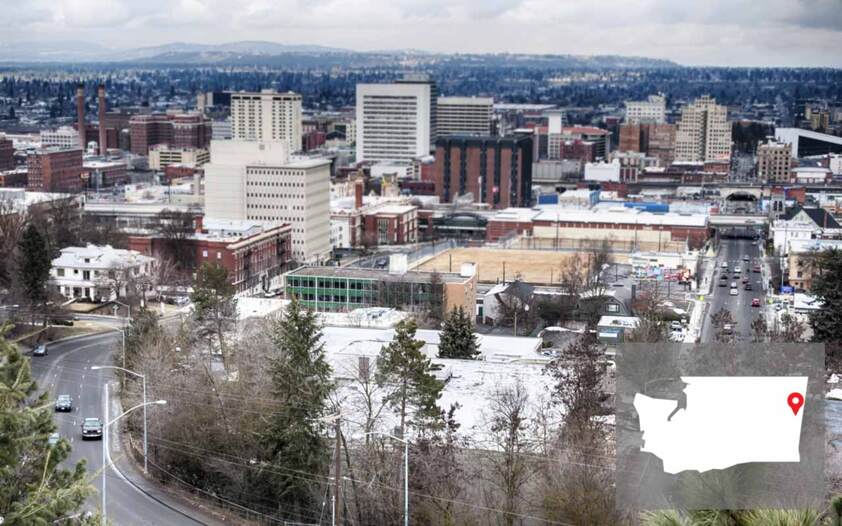
Spokane, Washington
Situated between the Cascade Mountains and the Rocky Mountains, this city is a strong choice for retirees looking to retreat to nature. When you're not hiking and biking in the mountains or boating and fishing on one of the region’s 76 lakes, you can walk along the 40-mile Spokane River Centennial Trail that runs through downtown Spokane and ends in Idaho.
Vibrant City Living: Urban Retirement Hubs with Amenities
Cities offer vibrant cultural scenes, social activities and easy access to healthcare facilities, public transportation and airports. While these cities are sizable, they are more affordable than larger metropolitan areas.
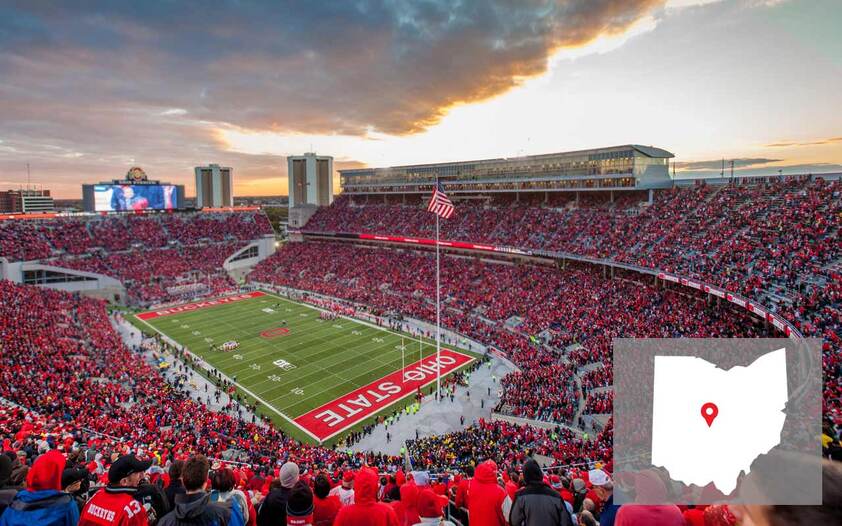
Columbus, Ohio
Ohio’s state capital is the largest city in the Buckeye State, with plenty of attractions from restaurants and breweries to museums and the popular Columbus Zoo and Aquarium. Columbus is also home to Ohio State University, which offers residents 60 and older free tuition for non-credit courses. Sports fans will enjoy going to professional hockey and soccer games, minor league baseball games and of course, Ohio State football games.
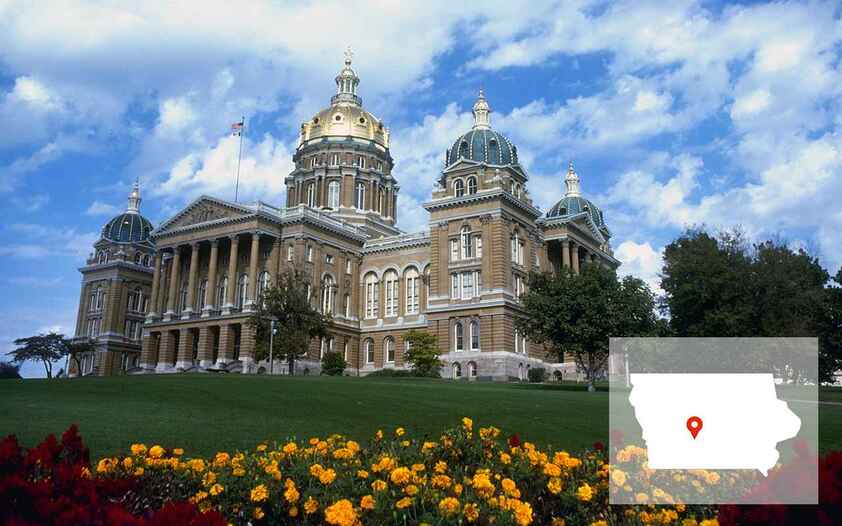
Des Moines, Iowa
If you’re looking to live in a big city on a small budget, Des Moines is the spot. The city’s affordable lifestyle and reasonably priced healthcare are just some of the reasons why the Milken Institute, an economic think tank, ranked it fifth among large metro areas for successful aging. The Iowa state capital also offers museums, art galleries, concert venues and a minor league baseball team.
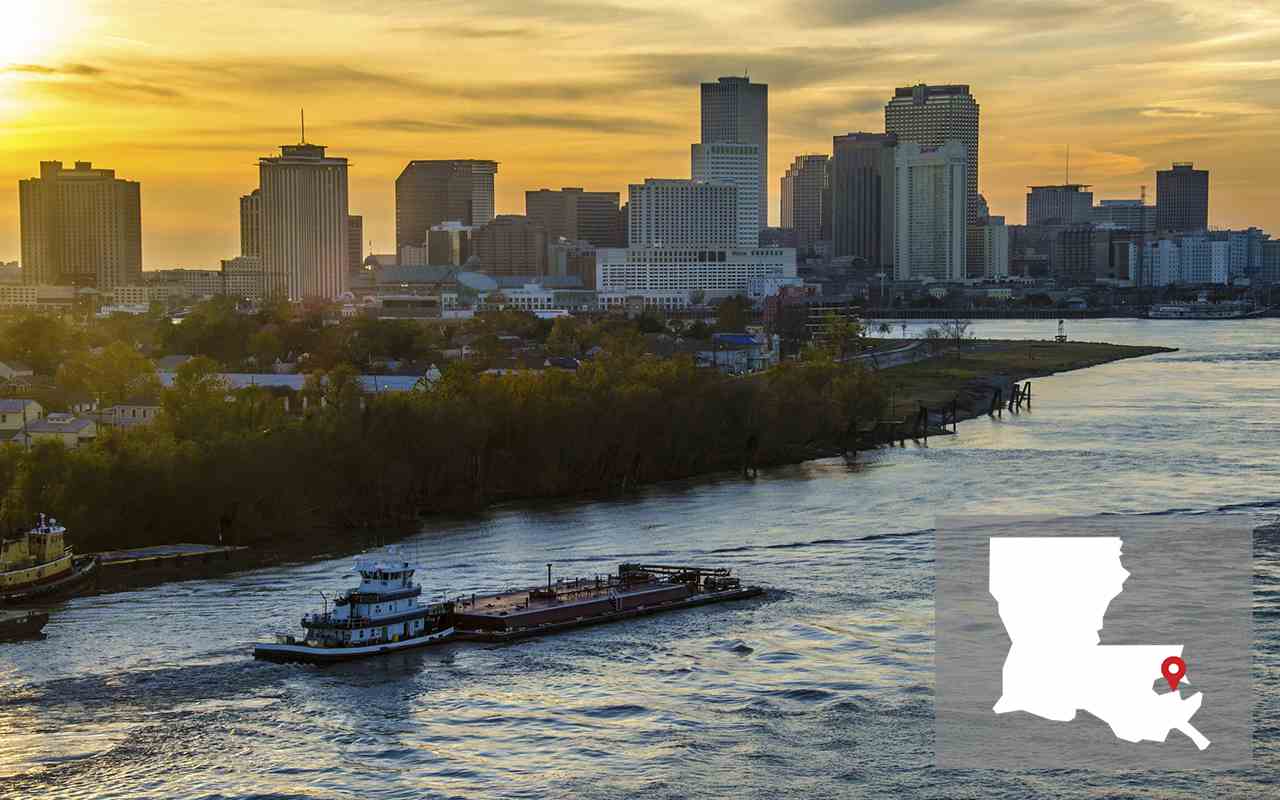
New Orleans, Louisiana
What’s not to like? Great music, five-star restaurants, a professional football team and festivals throughout the year, including Mardi Gras and Jazz Fest, which attract visitors from around the world.
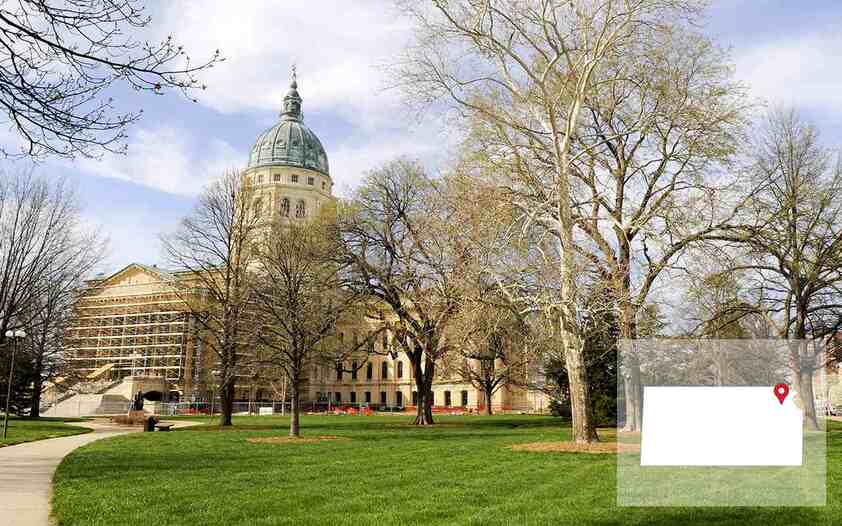
Topeka, Kansas
Whether you’re into the arts or the outdoors, the Kansas state capital has something for everyone. The city’s art scene includes the Topeka Civic Theatre and the free Mulvane Art Museum, which is on Washburn University’s campus. For outdoor enthusiasts, Topeka’s Lake Shawnee is surrounded by a 1,100-acre park with a walking trail, gardens, a golf course, tennis courts, campgrounds and more.
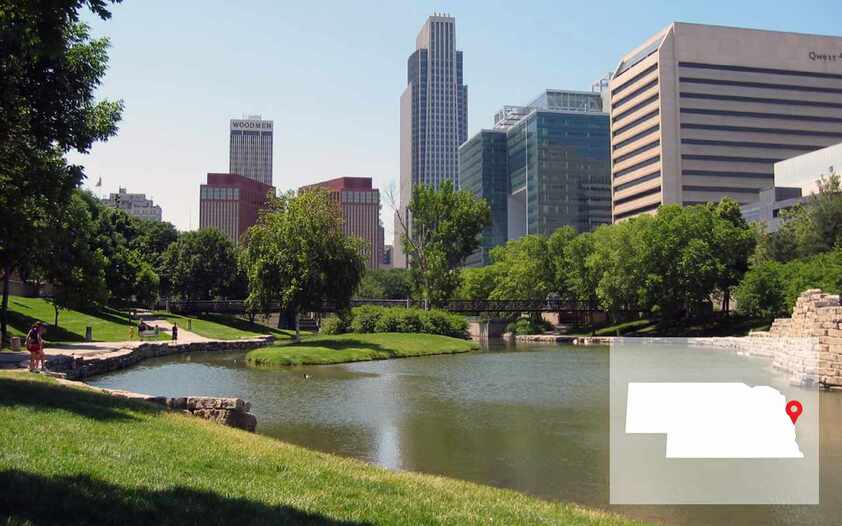
Omaha, Nebraska
Situated on the west bank of the Missouri River, Omaha offers plenty of outdoor activities such as birding, golfing, and 85 miles of walking and biking trails. The Milken Institute ranked Omaha as the seventh-best large metro area for successful aging because of its affordable care with plenty of healthcare facilities and medical professionals.

Tulsa, Oklahoma
The Tulsa Arts District features galleries, restaurants, breweries, music venues and the Woody Guthrie Center, an interactive museum honoring the Oklahoma folk singer. Nature lovers will enjoy River Parks, which has miles of biking and running trails along the Arkansas River.
Ready to enjoy your dream retirement? The NEA Retiree Health Program offers coverage to help you stay healthy and enjoy life in your ideal retirement spot-Learn more about your options here.
Quaint Towns: Retirement Comfort with Close‑Knit Community
Smaller towns often appeal to retirees seeking affordability, community and a slower pace, qualities often associated with the best affordable place to retire.
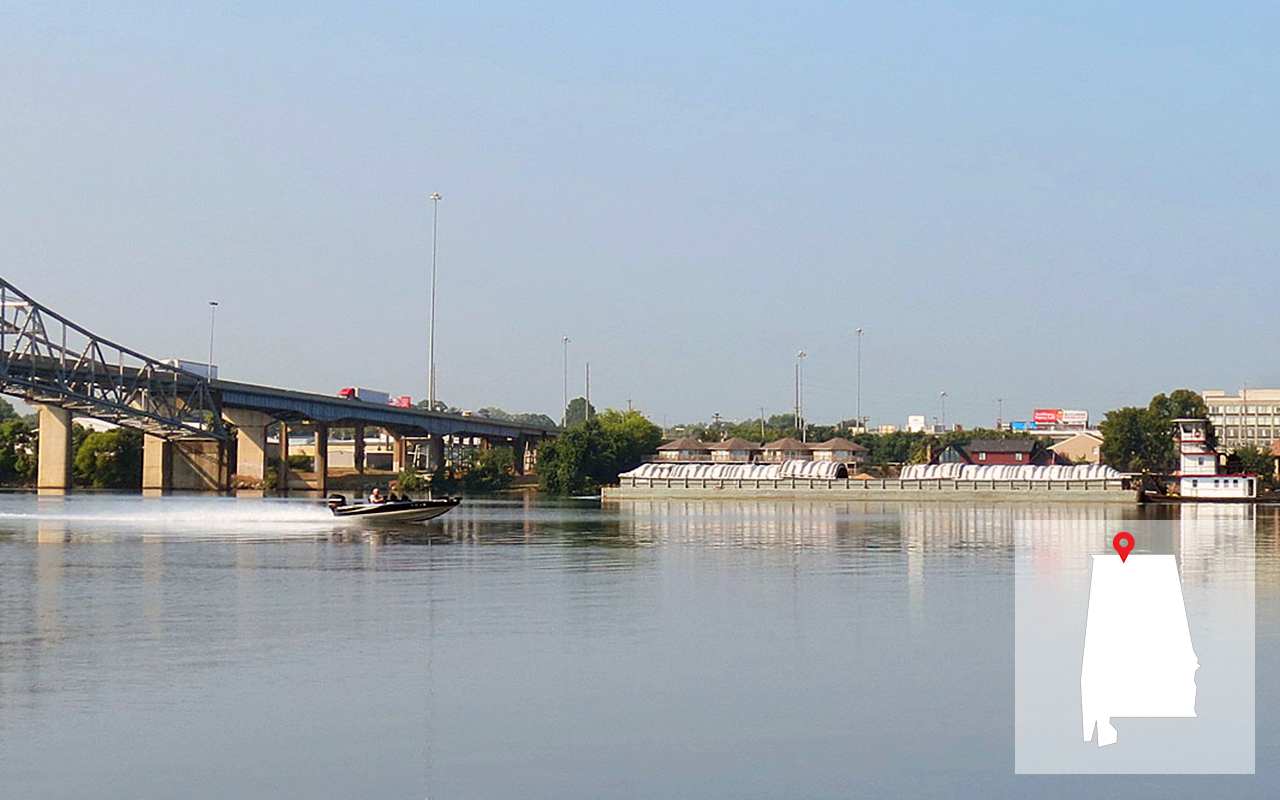
Decatur, Alabama
Located on the banks of the Tennessee River, Decatur offers a wide variety of outdoor recreation. At the 35,000-acre Wheeler National Wildlife Refuge, for example, you can kayak, fish, hunt and observe migrating waterfowl. City attractions include the Cook Museum of Natural Science, Carnegie Visual Arts Center and a variety of restaurants and breweries.

Prescott, Arizona
Prescott, located about 100 miles north of Phoenix, offers an active cultural scene with theaters, museums and music venues that cater to a wide range of interests. History buffs will enjoy learning about Prescott’s beginnings as a gold and silver mining town at the Sharlot Hall Museum, which focuses on preserving the history and culture of Arizona’s Central Highlands. The city also offers a variety of outdoor activities including hiking and golfing.
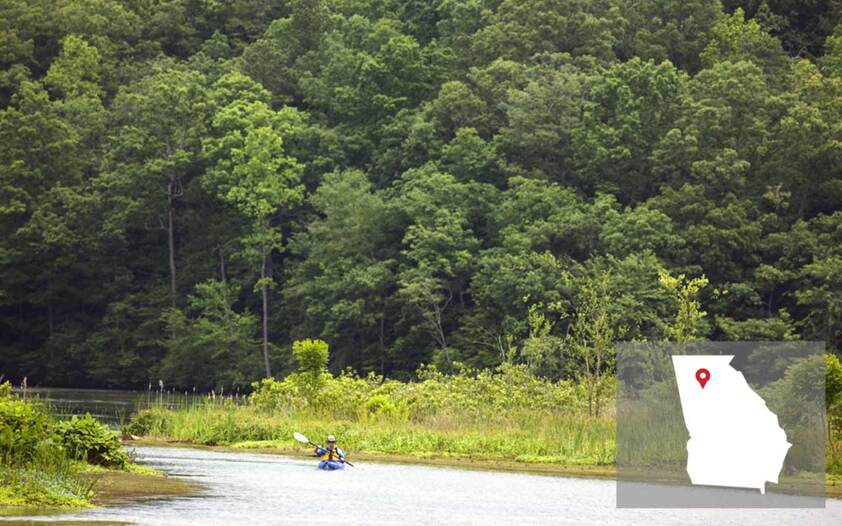
Sandy Springs, Georgia
City Springs, the downtown district of Sandy Springs, features a 1,000-seat performing arts center, a central park, a farmers’ market, a conference center and plenty of restaurants and stores to explore. Meanwhile, outdoor enthusiasts can enjoy birding and fishing, as well as 22 miles of shoreline along the Chattahoochee River. For those seeking big-city attractions, Atlanta is only 16 miles south.
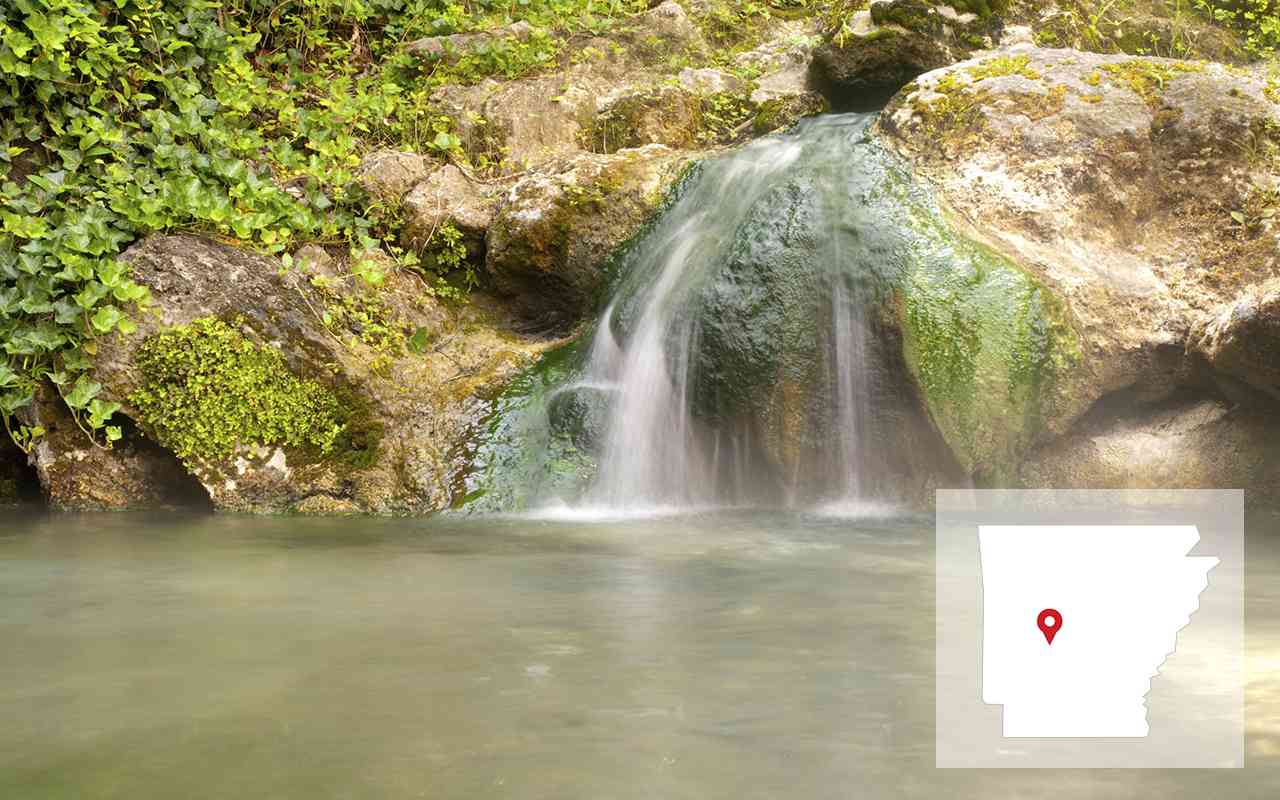
Hot Springs, Arkansas
If you want to relax in retirement, Hot Springs is for you. You can soak in the thermal waters at one of the historic bathhouses that’s made Hot Springs a destination for decades; unwind at one of the area’s championship golf courses; or take a boat out to fish in one of the three local lakes.
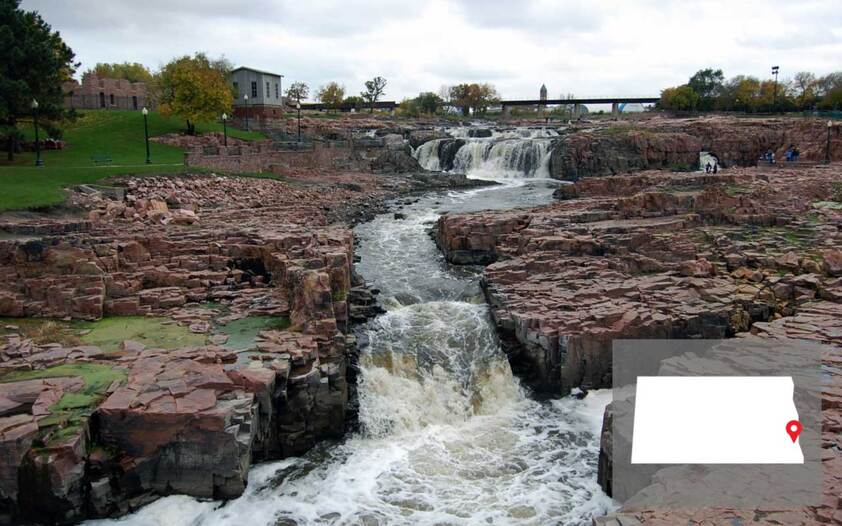
Sioux Falls, South Dakota
In 2025, Livability.com ranked this city on the prairie as one of the 100 best small- to mid-sized cities to live in, thanks in part to its strong economy, abundance of parks and natural beauty. The waterfalls at Falls Park, a 128-acre park north of downtown on the Big Sioux River, are a key attraction.
Sioux Falls was also ranked fifth among the best small cities for successful aging by the Milken Institute due to its low-cost hospitals, abundant medical professionals and strong funding for older adults.
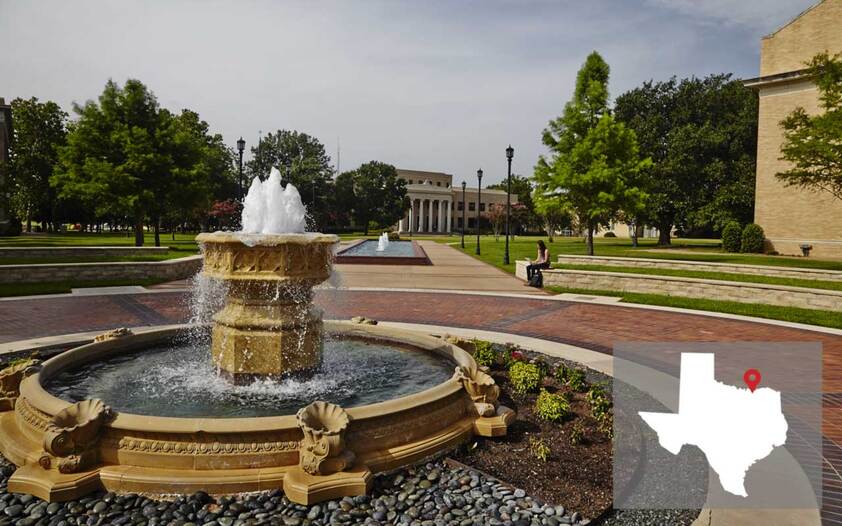
Sherman, Texas
Sherman may be small—its population is about 45,200—but it has a lot to offer for lovers of outdoor recreation. The 11,000-acre Hagerman National Wildlife Refuge is home to deer, beavers, river otters, bobcats and more. The refuge also offers various outdoor activities including hiking, fishing and boating. Residents seeking big-city attractions can drive 40 miles north to the Dallas-Fort Worth metroplex.
College & University Towns: Cultured Retirement with Learning & Access
University towns offer lifelong learning, cultural activities and healthcare access, features that appeal to many educators continuing their retirement planning process.
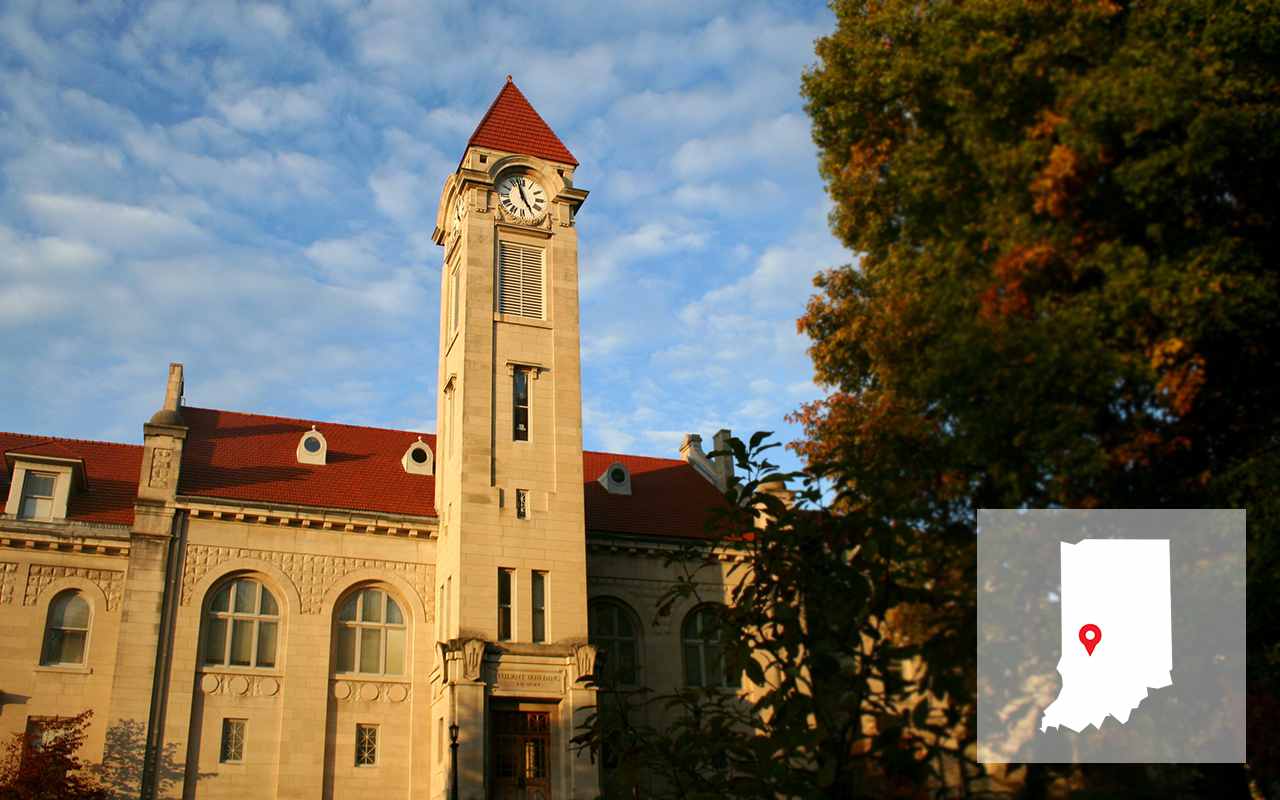
Bloomington, Indiana
Bloomington is home to Indiana University, which has plenty of concerts, festivals and sporting events, including Indiana Hoosiers games. Foodies may enjoy the local winery and wide variety of restaurants.
Up for an academic challenge? Thanks to Indiana law, residents 60 and older attending IU or other state colleges can receive half-priced tuition for up to nine credit hours per semester. And thanks to the IU Lifelong Learning program, adults can take a variety of online, non-credit courses for a modest fee.
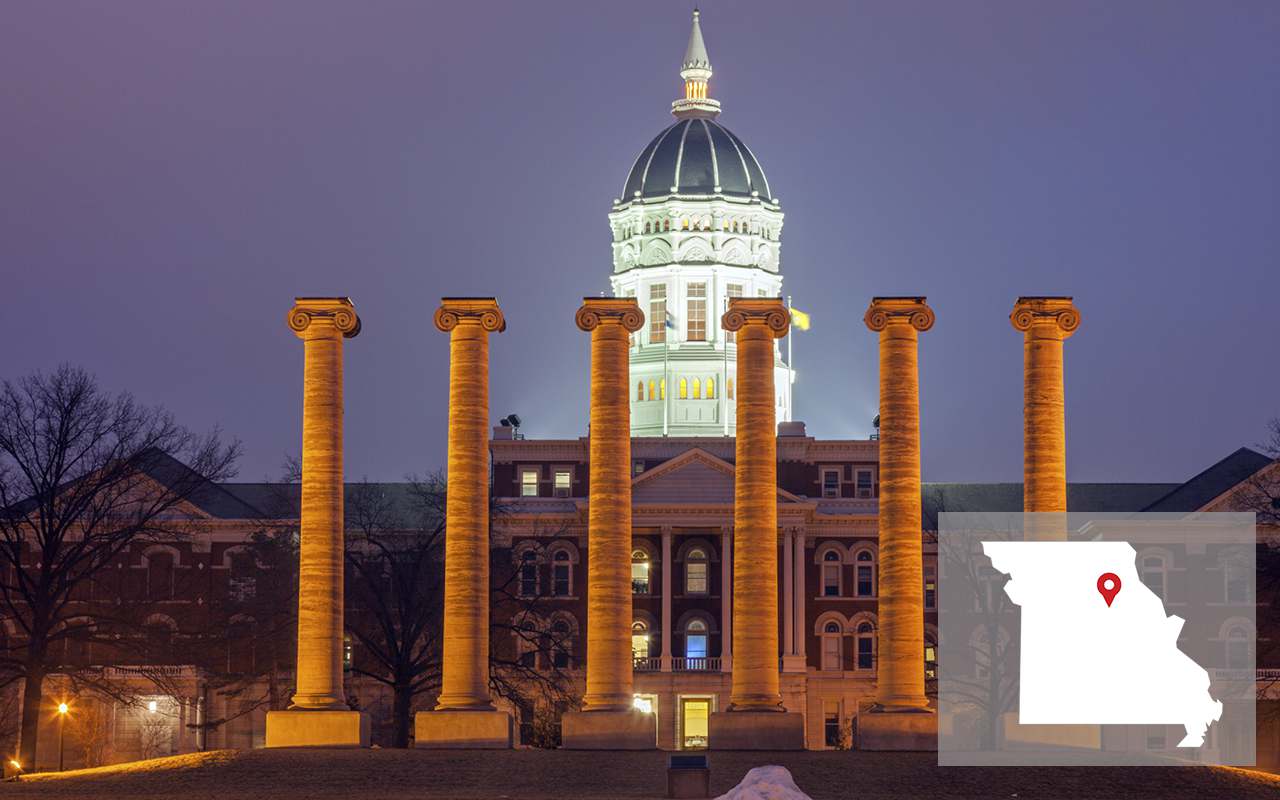
Columbia, Missouri
Columbia is home to three colleges: the University of Missouri, Columbia College and Stephens College. That means plenty of sporting events, concerts and other artistic and cultural attractions to entertain retirees. Plus, the university participates in the Osher Lifelong Learning Institute, offering courses to those 50 and older for a modest fee.
The Milken Institute also ranked Columbia fourth among the best small metro areas for successful aging, citing the city’s many med-school-affiliated hospitals, home healthcare providers and caregivers.
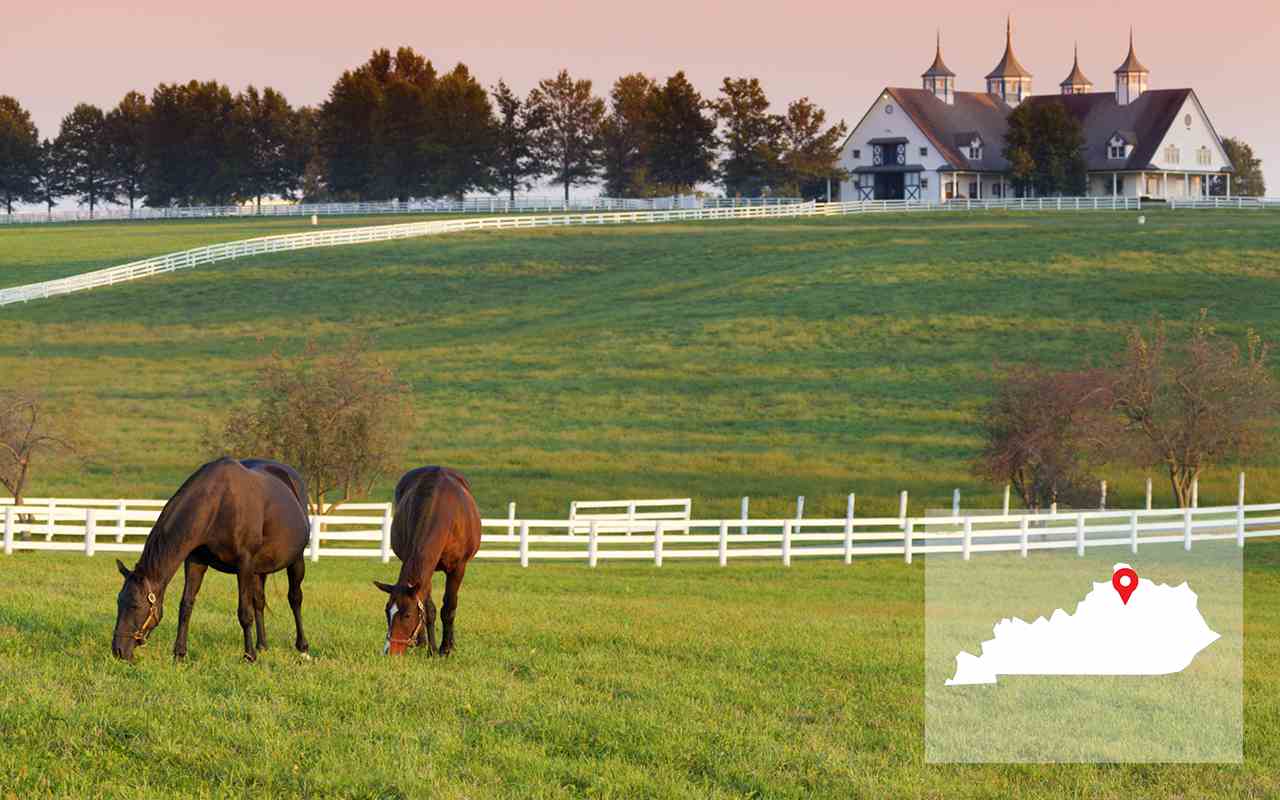
Lexington, Kentucky
Known for horses and bourbon, Lexington is also home to the University of Kentucky and its Wildcats basketball team. The university offers two education programs for older adults at little or no cost. The Donovan Fellowship allows residents 65 and older to take university classes for free; and the Osher Lifelong Learning Institute offers a wide range of low-cost courses for those 50 and older, including yoga, photography, music composition and craft beer brewing.
Beyond the classroom, Lexington offers the Lexington Opera House for music and plays, more than 100 parks, public golf courses, a 734-acre nature preserve and miles of hiking trails.
Practical Considerations for Retiring Educators
If you’re going to join the thousands of people who move in retirement, start your search by considering the lifestyle factors that are important to you. Also, check out the cost of living, crime rate and health care accessibility of potential destinations.
Once you’ve homed in on a locale, visit it during various seasons to make sure you’ll like it year-round. And before buying a home in a new state, try renting first so you can see what neighborhoods you like before committing to a home purchase.
For a smooth transition into retirement, you’ll need to make a wide range of decisions beyond where you’ll live.You’ll need to make sure your finances will be able to support a retirement that could last decades and that you’ll have access to affordable quality health care. And don’t overlook the importance of social connections that enrich a retirement.